


Update: China cracks down on AI deepfakes of celebrities in live-streams as misuses surge
Xinhua
14 Nov 2025, 22:28 GMT+10

 Share
Share
 Tweet
Tweet
 Share
Share
 Flip
Flip
 Email
Email
Subscribe and Follow
Get a daily dose of China National News news through our daily email, its complimentary and keeps you fully up to date with world and business news as well.


News RELEASES
Publish news of your business, community or sports group, personnel appointments, major event and more by submitting a news release to China National News.
More InformationVodacom to integrate with Starlink for high-speed business internet

JOHANNESBURG, South Africa: South Africa's largest mobile operator, Vodacom Group, has signed a deal with Elon Musk's Starlink to provide...
Chevron plans output boost, slash costs under new long-term guidance

HOUSTON, Texas: Chevron announced on November 12 that it aims to grow free cash flow by more than 10 percent annually through 2030...
U.S. stocks tumble amod global sell-off

NEW YORK, New York - A powerful wave of selling swept through U.S. financial markets on Thursday, driving major stock indices sharply...
Soybean surplus in China limits prospects for new US crop purchases

SINGAPORE/BEIJING: China is struggling with an oversupply of soybeans after months of record imports, reducing the chances of large...
Nvidia sale underscores SoftBank’s funding crunch for OpenAI push

TOKYO, Japan: SoftBank's shares fell as much as 10 percent on November 12 after it sold its US$5.8 billion stake in Nvidia, highlighting...
Study: Weak demand, not U.S. tariffs, drove China dumping

CHINA: China's recent surge in low-cost exports to Europe isn't just a byproduct of U.S. tariffs, it's rooted in its own weakening...
Soybean surplus in China limits prospects for new US crop purchases
SINGAPORE/BEIJING: China is struggling with an oversupply of soybeans after months of record imports, reducing the chances of large...
Beijing’s softer stance lets Ant, Tencent revive consumer loans
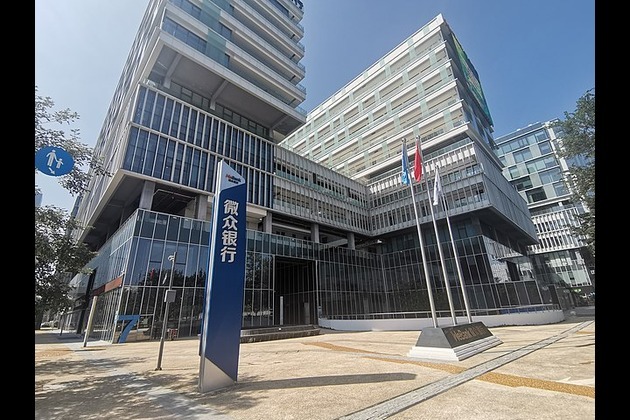
BEIJING/SHANGHAI: After years of regulatory crackdowns, China's internet finance giants are quietly reentering the lending business,...
MALDIVES-9TH CHINA-SOUTH ASIA FRIENDSHIP ORGANIZATIONS FORUM
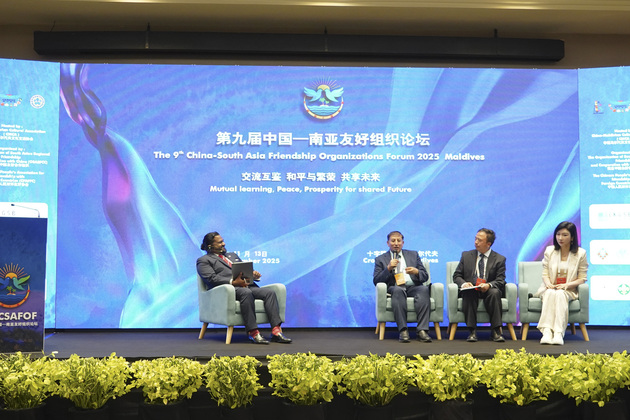
(251114) -- MALE, Nov. 14, 2025 (Xinhua) -- Guests attend the trade and investment sub-forum of the 9th China-South Asia Friendship...
Update: China cracks down on AI deepfakes of celebrities in live-streams as misuses surge
BEIJING, Nov. 14 (Xinhua) -- Chinese cyberspace authorities are cracking down on the use of artificial intelligence (AI)-generated...
China's push on application scenarios to accelerate tech innovation, economic growth

HEFEI, Nov. 14 (Xinhua) -- In a sprawling park in Hefei, capital of east China's Anhui Province, which was transformed from a retired...
Premium global agri-foods gain accelerated access to Chinese market

SHANGHAI, Nov. 14 (Xinhua) -- At the recent 8th China International Import Expo (CIIE), visitor Li Jing told Xinhua she was immediately...
