


India on cusp of major BESS expansion as demand set for J-curve growth: Report
ANI
12 Dec 2025, 14:31 GMT+10

 Share
Share
 Tweet
Tweet
 Share
Share
 Flip
Flip
 Email
Email
Subscribe and Follow
Get a daily dose of China National News news through our daily email, its complimentary and keeps you fully up to date with world and business news as well.


News RELEASES
Publish news of your business, community or sports group, personnel appointments, major event and more by submitting a news release to China National News.
More InformationU.S. to allow Nvidia’s H200 AI chip sales to approved China buyers

WASHINGTON, D.C.: The Biden-era restrictions on U.S. chip exports to China took a sharp turn this week as President Donald Trump said...
Dow notches up new record, 18th for year
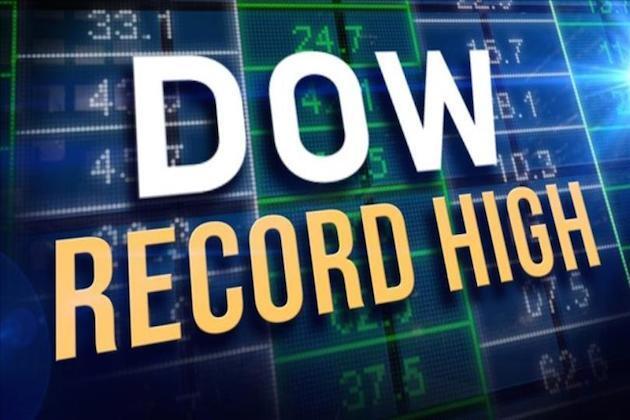
NEW YORK, New York - U.S. technology stocks took a back seat Thursday, while the broader market rallied on the back of the Federal...
Bitcoin may finish 2025 lower after record highs and sharp crashes

WASHINGTON, D.C.: After a year marked by dramatic surges and equally steep drops, bitcoin is limping toward the end of 2025 with the...
Warner takeover battle heats up as Paramount tops Netflix offer

NEW YORK CITY, New York: A week after Warner Bros. Discovery agreed to sell itself to Netflix, the media giant is now at the center...
Farmers hit by Trump’s China trade war get $12 billion in emergency aid
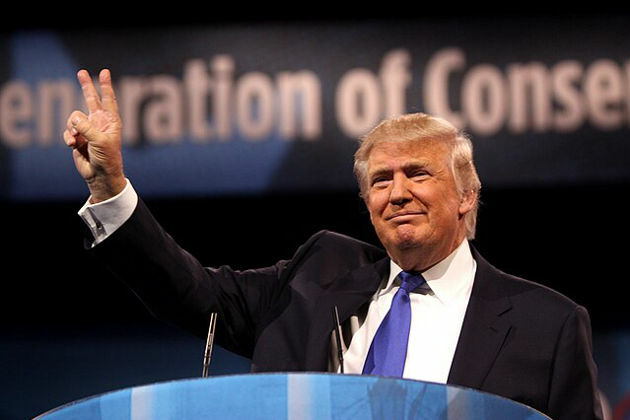
WASHINGTON, D.C.: Facing rising anxiety among farmers squeezed by his tariffs on China, President Donald Trump on December 8 announced...
Wall Street rallies, greenback slides, as Federal Reserve cuts rates
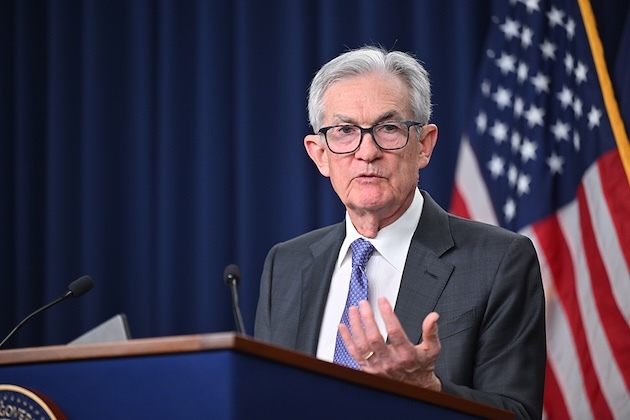
NEW YORK, New York - U.S. stocks advanced sharply Wednesday after the Federal Reserve's Federal Open Market Committee (FOMC) reduced...
Youth offline for summer as Australia enforces social media ban

SYDNEY, NSW Australia: As Australia began enforcing its world-first social media ban for under-16s on Wednesday, teenagers and mental...
Mounjaro joins China’s reimbursement list, pressuring rivals
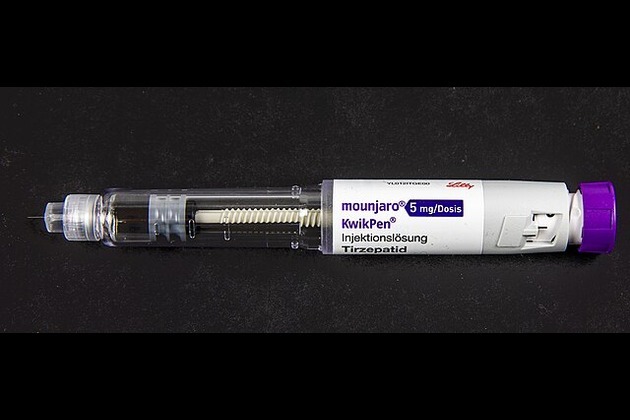
SHANGHAI, China: China will begin reimbursing Eli Lilly's blockbuster drug Mounjaro for type 2 diabetes from January 1, widening access...
India on cusp of major BESS expansion as demand set for J-curve growth: Report
New Delhi [India], December 12 (ANI): India is entering a pivotal phase in Battery Energy Storage Systems (BESS) deployment, with demand...
China's 'Panchen Lama' backs CCP control over Dalai Lama's reincarnation

Dharamshala (Himachal Pradesh) [India], December 12 (ANI): At an official symposium in Shigatse on Monday, Gyaltsen (Ch. Gyaincain)...
Melbourne Global Centre hosts special session on Abhay K.'s 'Nalanda'
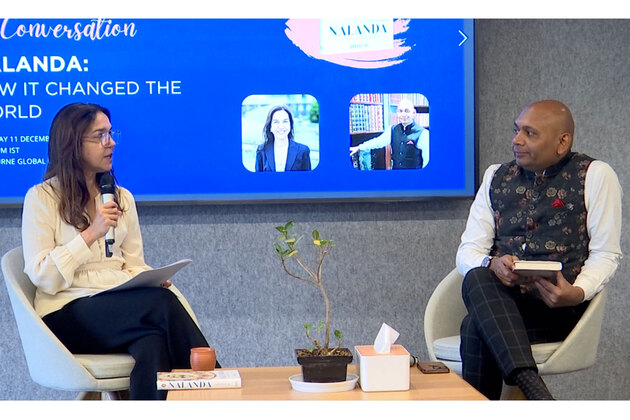
New Delhi [India], December 12 (ANI): Melbourne Global Centre - Delhi hosted a special session on writer-diplomat Abhay K.'s book Nalanda:...
Trump signs AI de-regulation order

The US risks losing to China if it ends up with a patchwork of 50 different regulatory regimes at state level, the White House has...
