


The foreign-policy twist of 2025: What Trumps pivot means for Ukraine
RT.com
28 Dec 2025, 02:17 GMT+10
 Share
Share
 Tweet
Tweet
 Share
Share
 Flip
Flip
 Email
Email
Subscribe and Follow
Get a daily dose of China National News news through our daily email, its complimentary and keeps you fully up to date with world and business news as well.


News RELEASES
Publish news of your business, community or sports group, personnel appointments, major event and more by submitting a news release to China National News.
More InformationBig Tech deal trend continues as Nvidia taps Groq expertise
SANTA CLARA, California: Nvidia has struck a deal with artificial intelligence startup Groq to license its chip technology and bring...
Price cuts, early launches fuel obesity drug showdown in India

HYDERABAD, India: With generic rivals waiting in the wings, Eli Lilly and Novo Nordisk are intensifying efforts to lock in market share...
U. S. stocks struggle in Friday's post-Christmas session

NEW YORK, New York - U.S. stock markets finished Friday's shortened trading session mixed, with modest losses in blue-chip stocks offset...
Resilient spending lifts US GDP to 4.3% pace in third quarter

WASHINGTON, D.C.: American consumers once again proved to be the backbone of the U.S. economy, pushing growth to its fastest pace in...
White House Tech Force draws strong interest amid AI push

WASHINGTON, D.C.: The Trump administration's effort to bring artificial intelligence expertise into the federal workforce has attracted...
Stonepeak to buy 65 percent of Castrol as BP accelerates asset sales

LONDON, U.K.: BP has agreed to sell control of its Castrol lubricants business in a US$6 billion transaction, marking a significant...
Australia fails to connect Gaza 'genocide' to Bondi Beach shootings

In the backwash of the Sydney massacre, numerous questions arise, puzzling and otherwise. One, which readers may be able to solve for...
Regional vote paves the way for Kashiwazaki-Kariwa restart
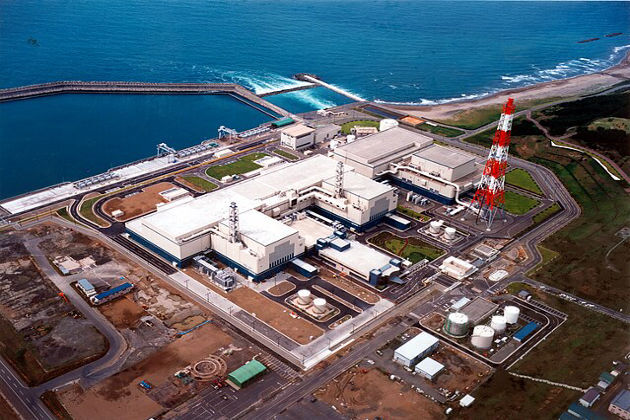
NIIGATA, Japan: Japan has taken a decisive step toward restarting the world's largest nuclear power station, as a regional political...
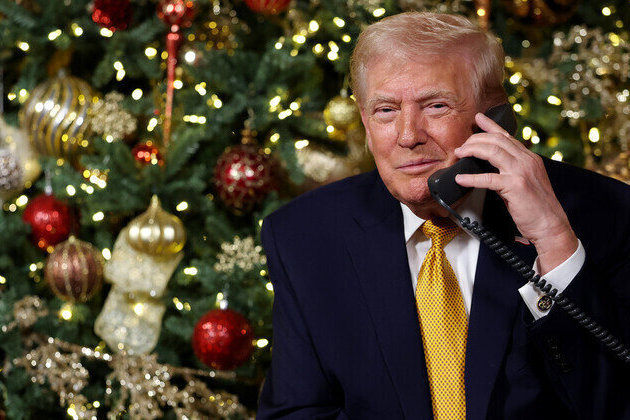
The foreign-policy twist of 2025: What Trumps pivot means for Ukraine
Washington as mediator, not belligerent: the US strategy upended the Western bloc If there were a competition for Breaking the Mould...
Magnitude 7.0 earthquake hits Taiwan

Taipei [Taiwan], December 28 (ANI): A strong earthquake measuring 7.0 on the Richter scale struck Taiwan late Saturday night, triggering...
'Battle of the Sexes' match: predict the unpredictable

(Photo credit: Mike Frey-Imagn Images) Aryna Sabelenka promises complete confidence. Nick Kyrgios offers uncertainty. In that sense,...
Salman's 60th birthday: Sanjay Dutt, Anil Kapoor, more B-town celebrities pen heartfelt birthday messages for superstar

Mumbai (Maharashtra) [India], December 27 (ANI): Bollywood superstar Salman Khan has turned 60 years old today. The film fraternity...
