


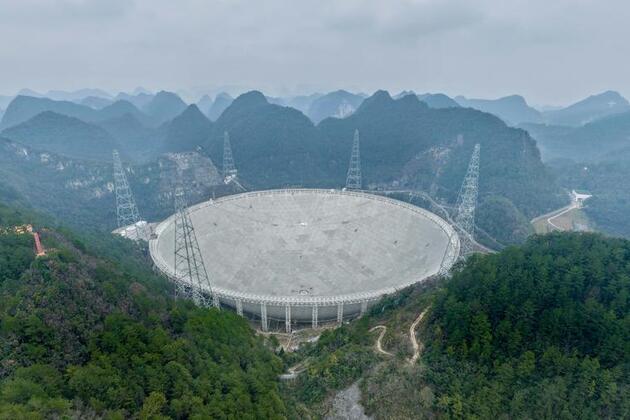
Chinese astronomers unveil birthplace environment of mysterious cosmic burst
Xinhua
31 Jan 2026, 20:15 GMT+10
 Share
Share
 Tweet
Tweet
 Share
Share
 Flip
Flip
 Email
Email
Subscribe and Follow
Get a daily dose of China National News news through our daily email, its complimentary and keeps you fully up to date with world and business news as well.


News RELEASES
Publish news of your business, community or sports group, personnel appointments, major event and more by submitting a news release to China National News.
More InformationTesla invests $2 billion in xAI, reaffirms Cybercab launch this year
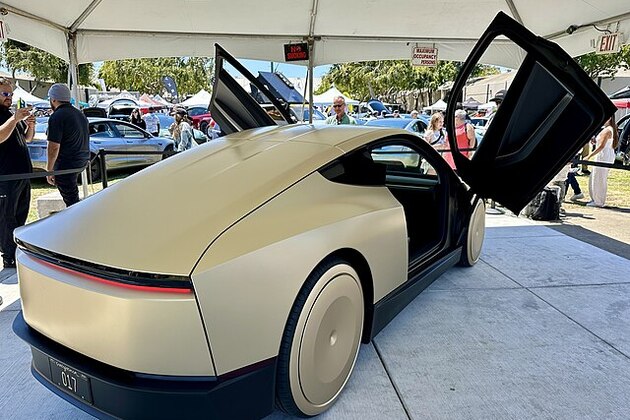
AUSTIN, Texas: Tesla said it will invest US$2 billion in Chief Executive Elon Musk's artificial intelligence startup xAI, underscoring...
India, EU sign ‘mother of all’ free trade deal after 20 years of talks
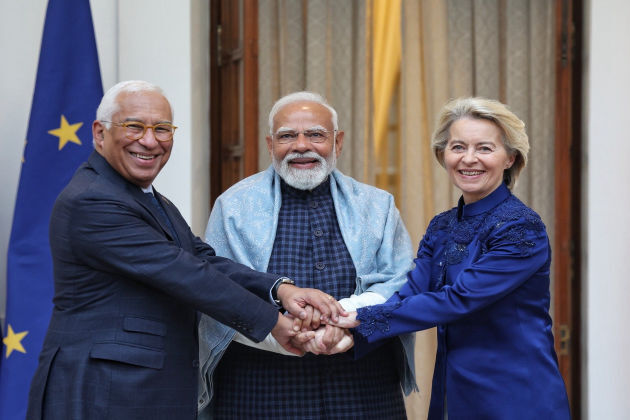
NEW DELHI, India: In a landmark deal that would affect at least two billion people across two continents, India and the European Union...
Wall Street slips despite markets embracing of new Fed chair nominee

NEW YORK, New York - U.S. stocks fell Friday after the release of a strong inflation figure which hammered stocks but boosted the dollar....
Amazon exits Go and Fresh stores to focus on delivery, Whole Foods

NEW YORK CITY, New York: Amazon is reshaping its brick-and-mortar grocery strategy, announcing it will shut down all Amazon Go and...
AI demand lifts ASML to record profit as company trims workforce
THE HAGUE, Netherlands: Surging demand for artificial intelligence drove Dutch semiconductor equipment maker ASML to a record profit...
Americans’ confidence in economy drops to lowest since 2014

WASHINGTON, D.C.: Americans' outlook on the economy deteriorated sharply at the start of the year, with a key measure of consumer confidence...
Children under 15 may soon be banned from social media in France

PARIS, France: Taking a leaf from Australia's parliament, France's National Assembly this week backed legislation to ban children under...
Chinese astronomers unveil birthplace environment of mysterious cosmic burst
BEIJING, Jan. 31 (Xinhua) -- Through a systematic, multi-year monitoring with China's Five-hundred-meter Aperture Spherical radio Telescope...
With multi-bln dollar investment, AstraZeneca reaffirms confidence in China: CEO
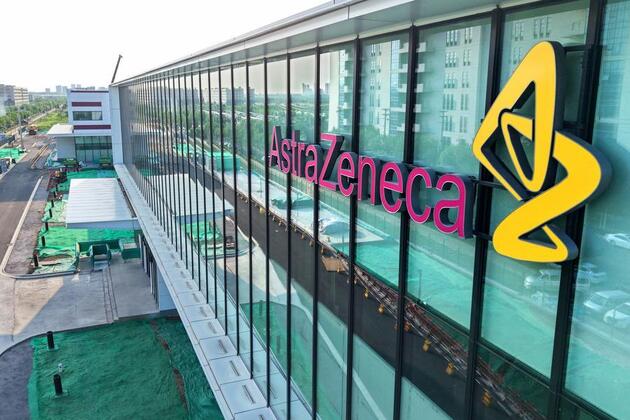
BEIJING, Jan. 31 (Xinhua) -- China has become a critical contributor to scientific innovation and advanced manufacturing, as well as...
Update: Xi's article on boosting China's financial strength to be published
BEIJING, Jan. 31 (Xinhua) -- An article by Xi Jinping, general secretary of the Communist Party of China (CPC) Central Committee, on...
Australian Open alumna Jada Bui adds Grand Slam grit to Mumbai Pickle Power's World Pickleball League push

Mumbai (Maharashtra) [India], January 31 (ANI): Few players embody the spirit of resurgence sought by Mumbai Pickle Power in World...
"Really a Happy Slam": Rybakina after historic Australian Open win
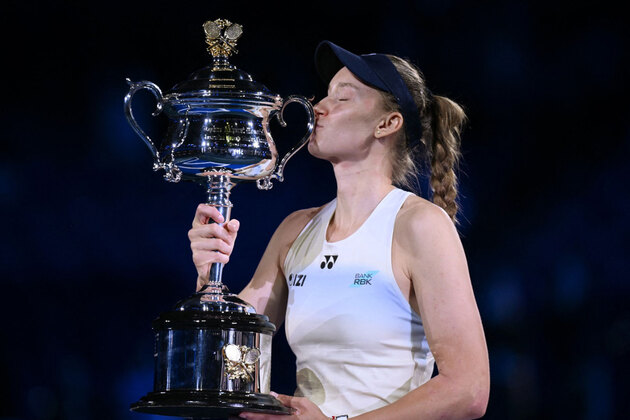
Melbourne [Australia], January 31 (ANI): Following her Australian Open win, making her the first Kazakh player to win the title, the...
